
20 Performances That Defined and Challenged Robin Williams’ Legacy
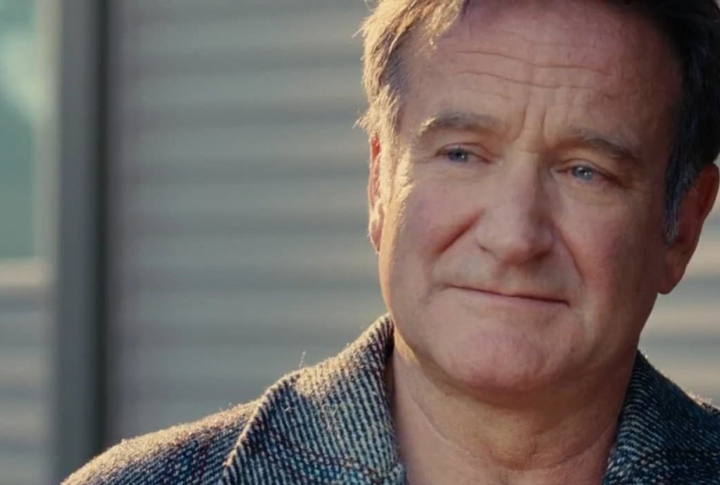
Robin Williams’ career was a masterclass in versatility, brilliance, and bold choices. Many performances cemented his place as one of Hollywood’s greats, while others sparked debates about the films themselves. This list explores the highs and lows of his journey, revealing the risks and rewards of his fearless artistry.
The Genie in Aladdin
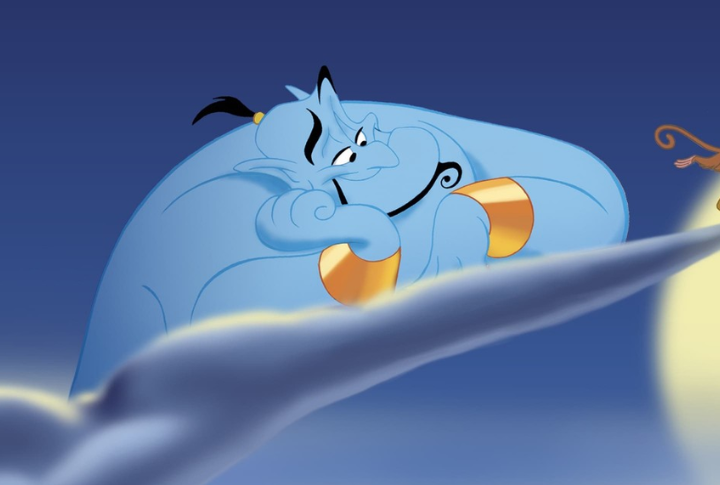
How do you breathe life into a cartoon character? By letting Robin Williams loose. In “Aladdin” (1992), his improvised lines and rapid-fire delivery set a new standard for animated films. Disney’s animators even reworked scenes to match his voice. Pure comic magic!
John Keating in Dead Poets Society
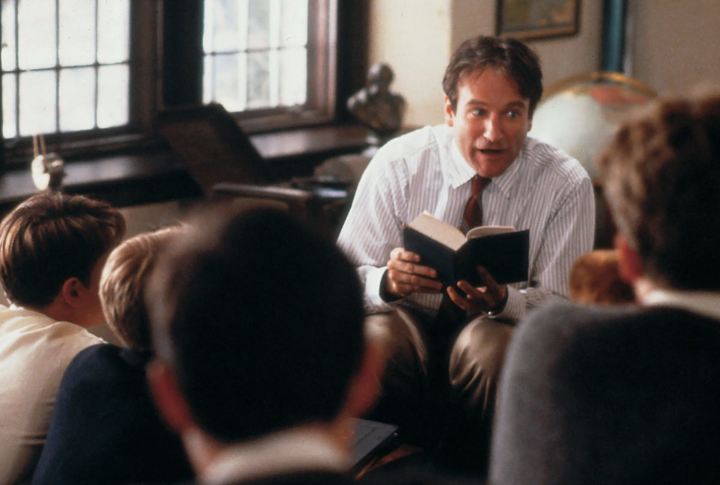
Inspiration took human form when Williams played John Keating in “Dead Poets Society” (1989). His portrayal of the unorthodox English teacher urged students (and audiences) to seize the day. “O Captain! My Captain!” became a rallying cry for free thinkers everywhere.
Adrian Cronauer in Good Morning, Vietnam
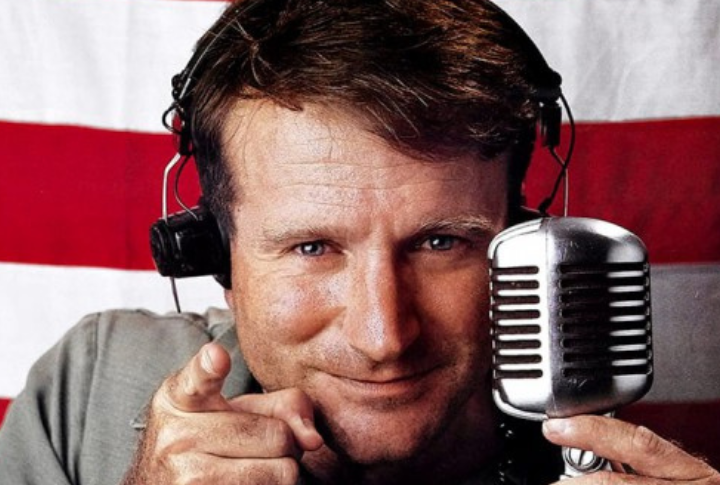
Have you ever heard comedy break through chaos? Williams’ portrayal of real-life DJ Adrian Cronauer in 1987 delivered just that. His relentless humor clashed beautifully with the harsh realities of war. The performance earned him an Oscar nomination and left an unforgettable wake-up call.
Mrs. Doubtfire in Mrs. Doubtfire
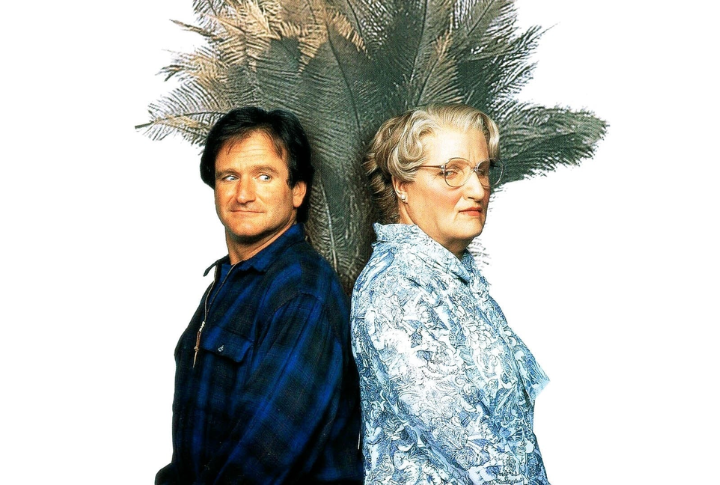
Disguises, slapstick, and heartache—Williams blended them seamlessly in 1993’s “Mrs. Doubtfire.” As a father going undercover as a British nanny, he delivered laughs while tackling the pains of divorce. His chaotic antics masked a deeper message about family and love.
Parry in The Fisher King
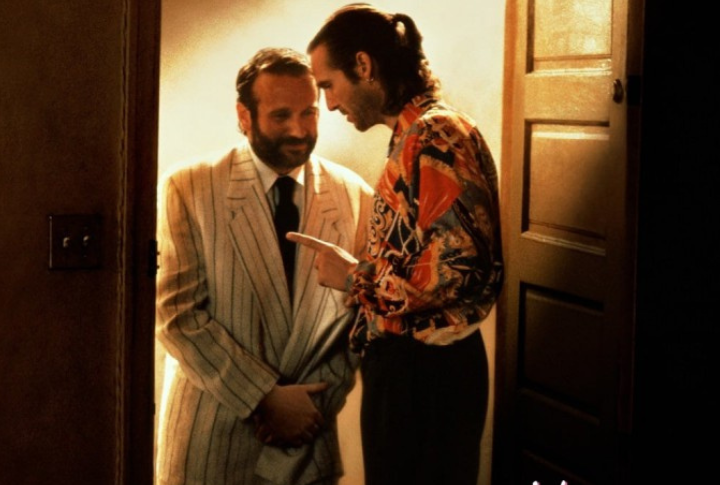
Lost in delusions, Williams’ Parry in “The Fisher King” (1991) embodied fragility and fantasy. Playing a man searching for redemption, he walked a tightrope between tragedy and hope. This performance proved Williams didn’t need jokes to leave audiences mesmerized.
Sean Maguire in Good Will Hunting
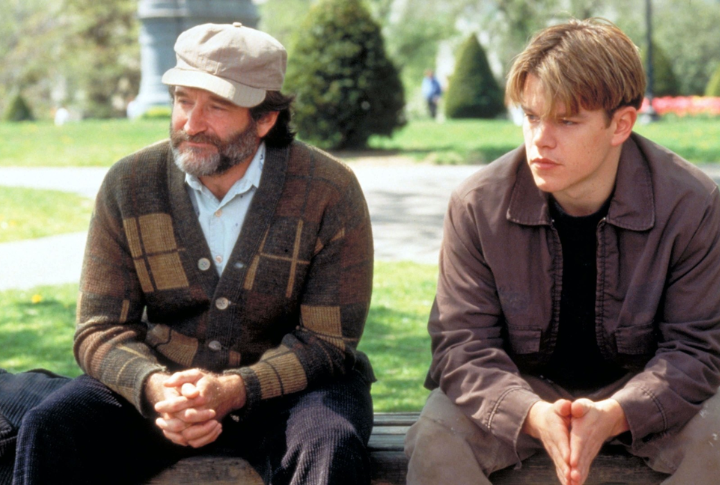
A therapist with his own wounds, Sean Maguire, was Williams at his most grounded. In “Good Will Hunting” (1997), his quiet compassion reached through the screen. The “farting wife” story? Improvised genius that won him an Oscar. Vulnerability never felt so powerful.
Sy Parrish in One Hour Photo
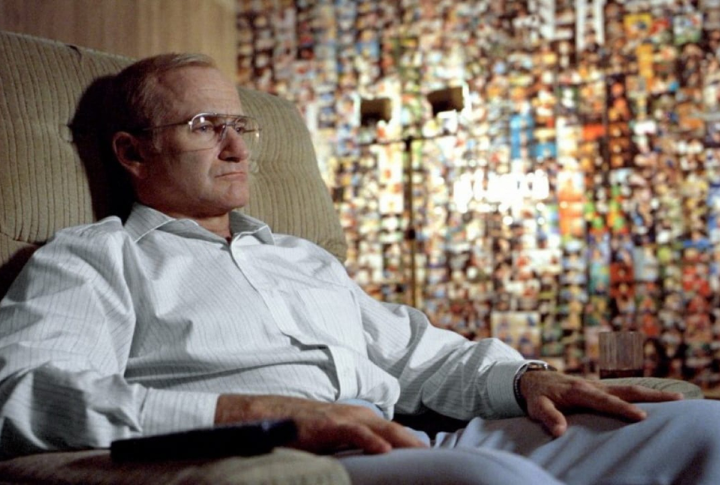
Loneliness took a chilling turn in 2002’s “One Hour Photo.” As Sy Parrish, Williams portrayed obsession with unsettling precision. Gone was the warmth—in its place, cold intensity. This role shattered his comedic mold, leaving audiences disturbed and impressed.
Walter Finch in Insomnia
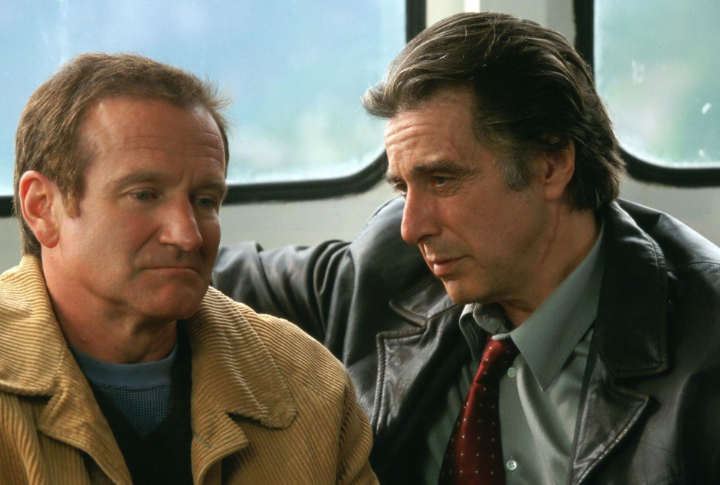
Sinister restraint defined Williams’ role as Walter Finch in “Insomnia” (2002). Opposite Al Pacino, he traded punchlines for icy precision. No over-the-top antics, just quiet menace. It’s a performance that made you question how darkness can hide behind familiar faces.
Armand Goldman in The Birdcage
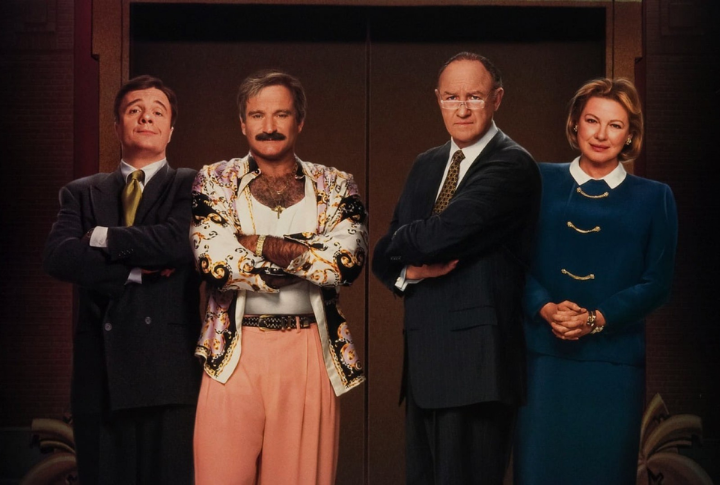
Glitz met grit when Williams played Armand Goldman in “The Birdcage” (1996). As a gay nightclub owner juggling identity and family, he delivered humor with heart. His warmth and wit helped the film challenge stereotypes. Who knew comedy could be so courageous?
Alan Parrish in Jumanji
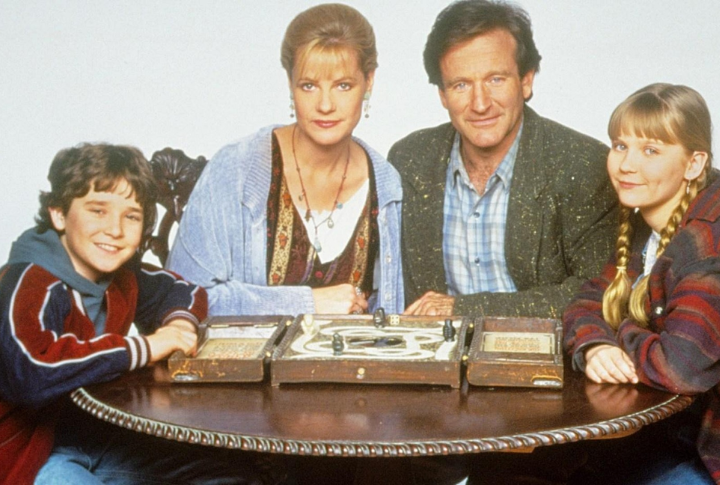
A board game’s nightmare became Williams’ adventure in “Jumanji” (1995). Alan Parrish balanced wild fantasy with raw survival instincts, making the impossible feel real. But, hold on, not every project matched his greatest successes. Let’s now take a look at the ones that reflected his willingness to take risks.
The Timekeeper in The Adventures of André & Wally B.
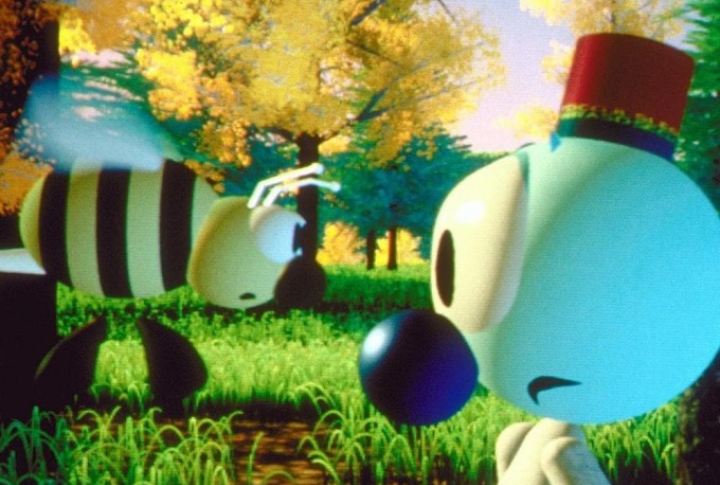
Bright visuals, smooth animation, and Robin Williams as the spirited Timekeeper—“The Adventures of André & Wally B.” (1984) seemed promising. Yet, the paper-thin story collapsed under its own weight, remembered more for its CGI milestones than as a piece of engaging storytelling.
Dan Rayburn in Old Dogs
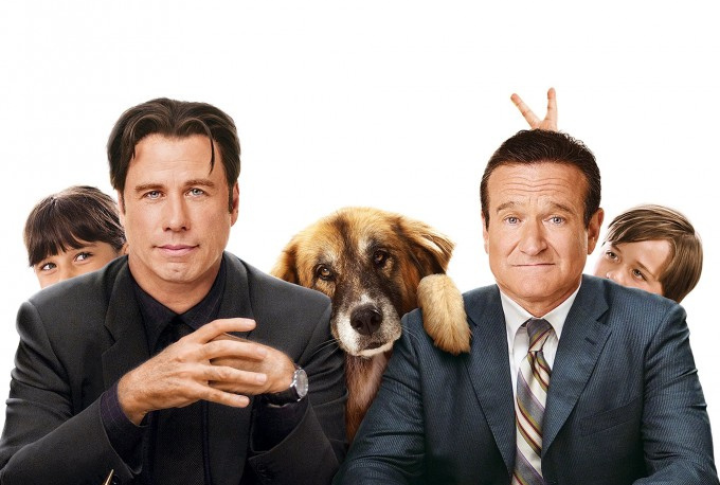
Stumbling out of the gate, “Old Dogs” (2009) paired Robin Williams with John Travolta in a family comedy that had a promising cast but struggled to connect with audiences. Despite Williams’ best efforts, the humor fell flat, as reflected in its 5% Rotten Tomatoes score.
Reverend Frank in License to Wed
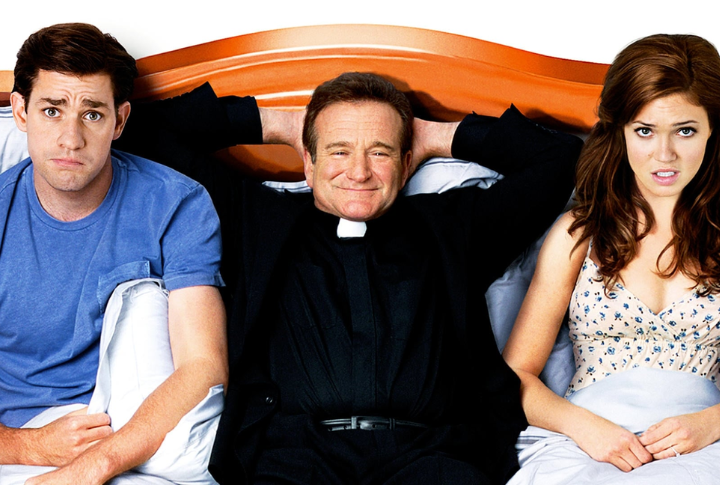
Imagine a minister who makes engaged couples suffer through bizarre pre-marital tests. That’s Reverend Frank in “License to Wed” (2007). The humor and premise received mixed reviews from critics, with many finding them less effective than intended. The film’s dismal 7% Rotten Tomatoes score sealed its fate as an unholy flop.
Jack Powell in Jack
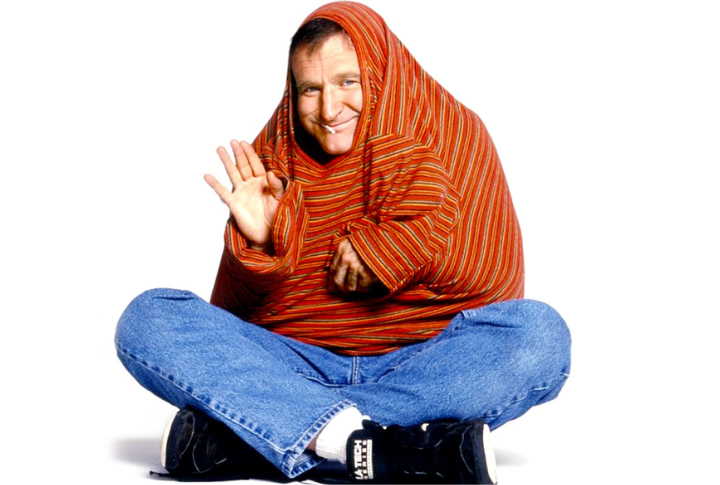
Aging four times faster than normal sounds intriguing, right? Unfortunately, “Jack” (1996) couldn’t decide if it was a comedy or a tragedy. Directed by Francis Ford Coppola, this 17%-rated misfire left Williams stranded between sincerity and silliness, leaving its heartfelt concept underdeveloped.
Tom Dobbs in Man of the Year
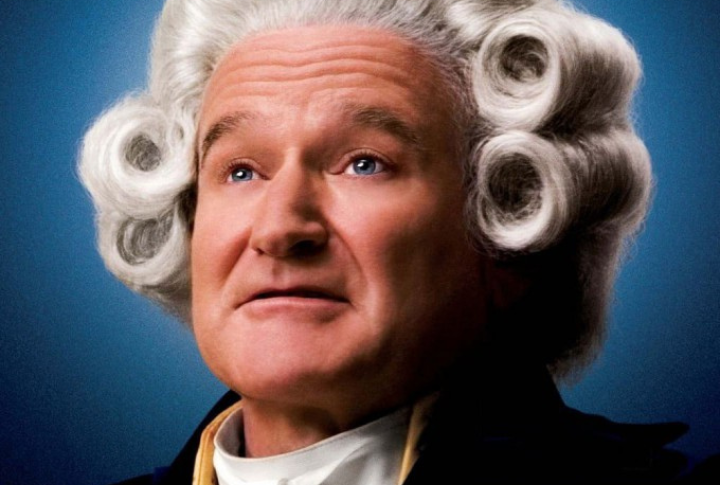
“Man of the Year” (2006) attempted to mix politics with comedy, though the execution didn’t quite resonate with audiences. Williams played a comedian-turned-president, and the script’s blend of satire and thriller elements left many confused. The 21% Rotten Tomatoes score reflects this challenge.
Leslie Zevo in Toys
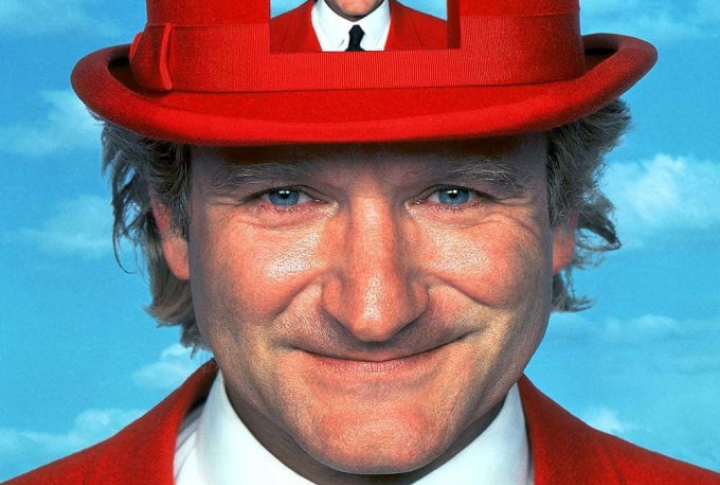
A 30% Rotten Tomatoes score spoke volumes for this one. Critics praised the creativity of “Toys” (1992) but slammed its empty plot. The film’s narrative struggled to find focus, and despite Williams’ energetic performance as Leslie Zevo, the whimsical adventure failed to fully engage audiences.
Bob Munro in RV
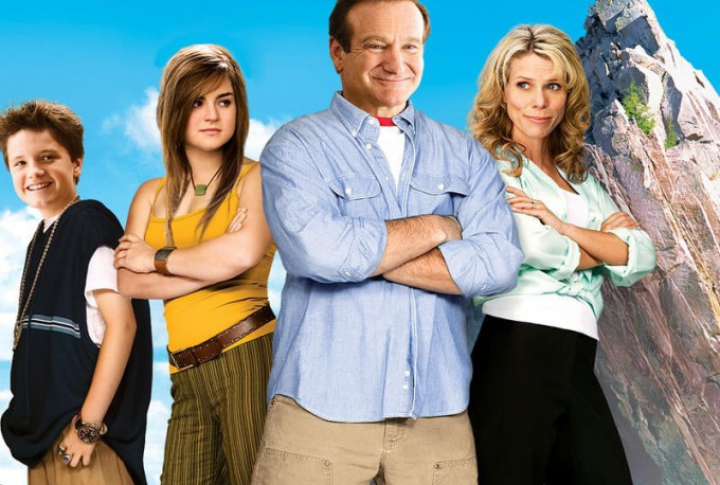
Like a stalled engine, “RV” (2006) struggled to get going. Robin Williams played Bob Munro, a hapless dad on a chaotic vacation. Critics groaned at the tired gags and slapstick clichés. A 24% Rotten Tomatoes score reflected the film’s lack of impact.
Lance Clayton in World’s Greatest Dad
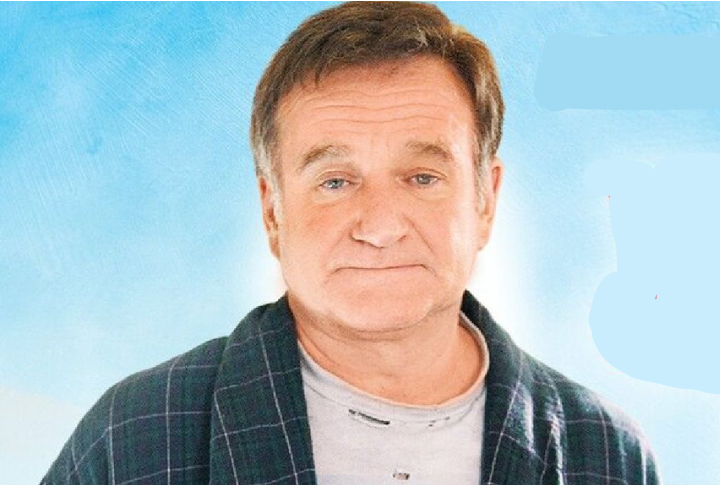
Discomfort settled in early and never left. This film’s cynical exploration of tragedy felt like a step too far, turning grief into a dark spectacle. “World’s Greatest Dad” (2009) tried to balance dark humor but instead left audiences with a lingering sense of unease.
Dr. Malcolm Sayer in Awakenings
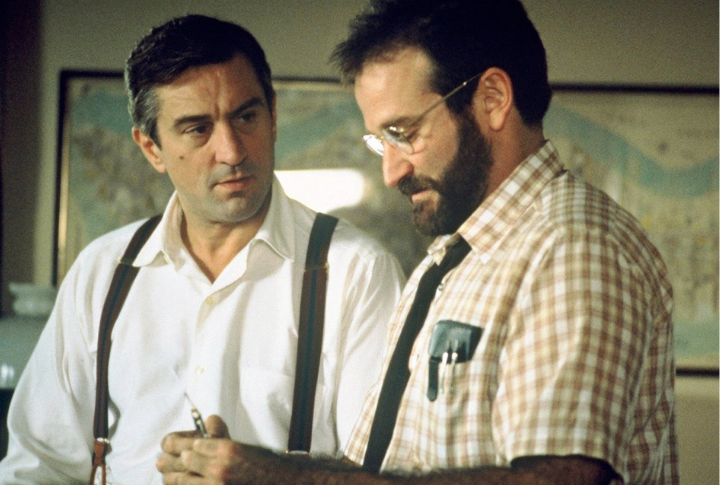
Subtlety became a double-edged sword for Williams in “Awakenings” (1990). Dr. Sayer’s restrained performance was praised for its nuance, though some felt it held back the emotional intensity of the film. At times, a bit more spark could have elevated the story.
Jonathon in Being Human
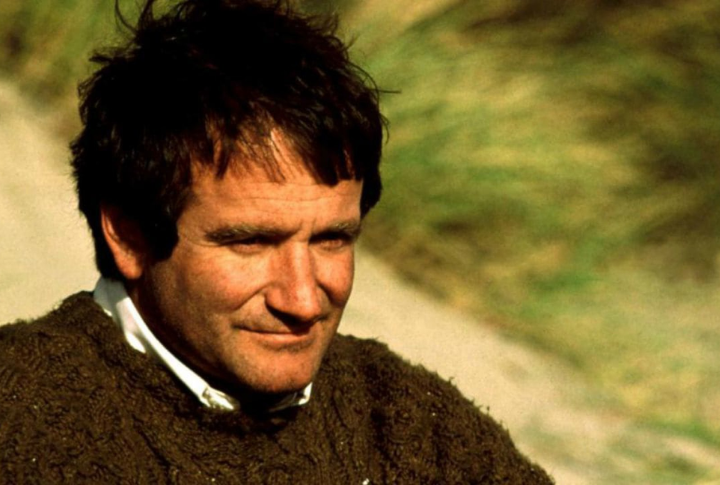
Can ambition survive without direction? In “Being Human” (1994), Williams brought sincerity to Jonathon, a man spanning five lives. Yet, the film’s ambitious narrative struggled to connect with critics and audiences, overshadowing Williams’ sincerity in the role. Eventually, the existential exploration faltered with a 44% rating.


