15 of Roger Ebert’s Favorite Films of All Time
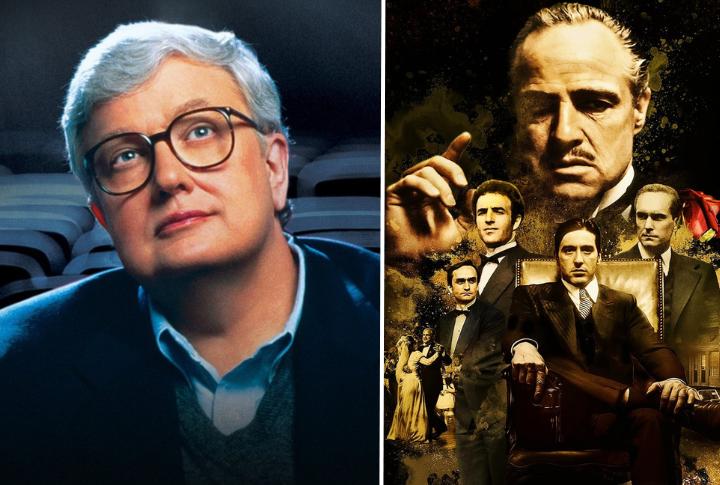
Roger Ebert wasn’t just a film critic but a passionate lover of the silver screen. He had a way of connecting with movies that went beyond their technical aspects, digging deep into the emotions they evoked and the stories they told. Ebert’s favorite movies reflect his eclectic taste, ranging from timeless classics to modern masterpieces. Let’s dive into Roger Ebert’s cinematic world and discover why these 15 films held a special place in his heart.
Citizen Kane (1941)

Ebert admired Citizen Kane for its groundbreaking technical achievements and deep exploration of ambition and loss. He found the story of Charles Foster Kane’s rise and fall to be a powerful narrative that resonated with universal truths. To Ebert, the film’s innovative use of lighting, deep focus, and non-linear storytelling made it a masterpiece that changed cinema forever.
The Godfather (1972)
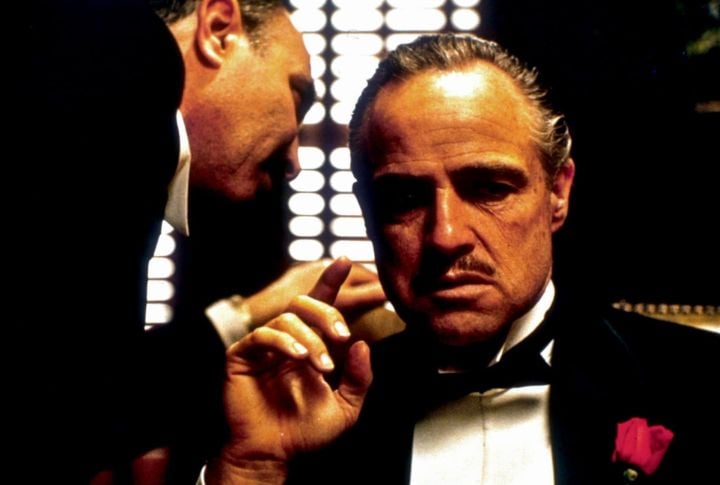
For Ebert, The Godfather was more than a crime drama; it was a profound study of power, family, and loyalty. He loved how Francis Ford Coppola portrayed the Corleone family with such depth, making them both terrifying and tragically human. The movie’s blend of brutality and tenderness captured Ebert’s imagination, and he saw it as a perfect example of storytelling at its finest.
Raging Bull (1980)
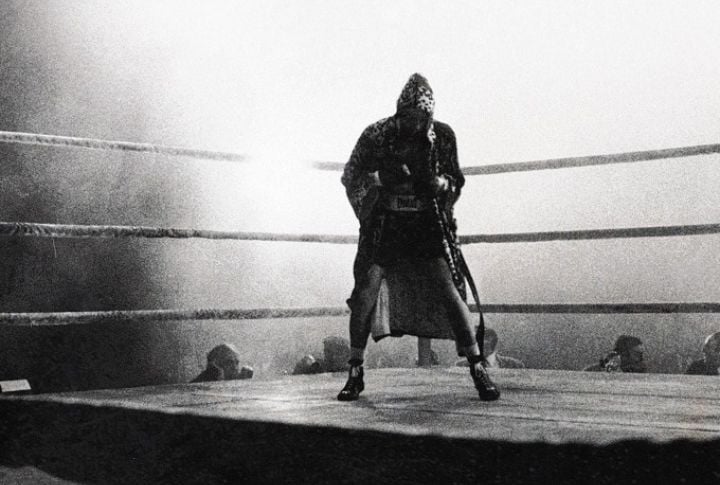
Ebert was deeply moved by Raging Bull’s raw intensity and fascinated by Robert De Niro’s portrayal of Jake LaMotta, a man whose rage and self-destructiveness made him both a champion and a tragedy. The film’s stark black-and-white cinematography and Scorsese’s unflinching direction were, for Ebert, a perfect match for the brutal beauty of the story.
Casablanca (1942)
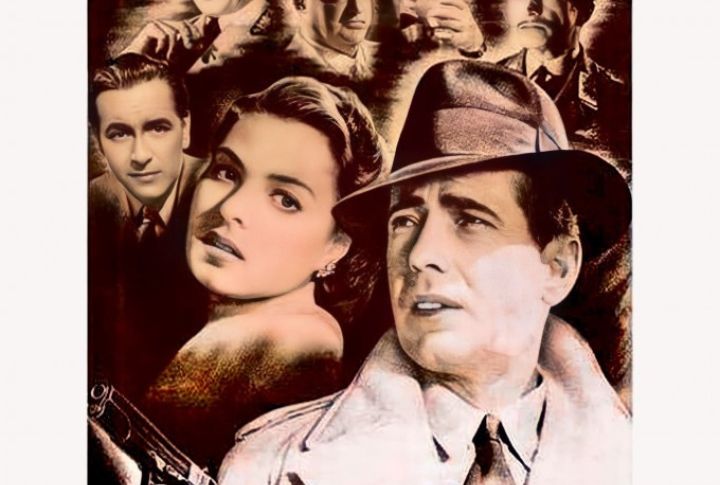
For Ebert, Casablanca was the quintessential Hollywood romance, filled with memorable characters, sharp dialogue, and a love story that transcends time. He loved how the film captured the spirit of wartime, the complexities of love, and the bittersweetness of sacrifice. Its timeless appeal made it a film Ebert could watch over and over again.
Apocalypse Now (1979)

Ebert was in awe of Apocalypse Now’s epic scale and chaotic beauty. He saw it as a film that went beyond the horrors of war, exploring the darkness within the human soul. The movie’s surreal journey up the river mirrored the descent into madness, and Ebert found its nightmarish vision both mesmerizing and profoundly unsettling.
Vertigo (1958)
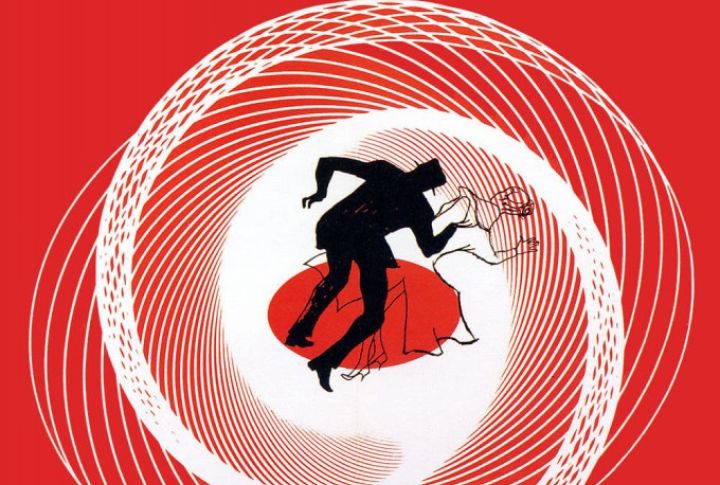
Vertigo fascinated Ebert with its psychological depth and its exploration of obsession, identity, and the nature of reality. He admired Alfred Hitchcock’s ability to create a movie that was visually stunning and emotionally complex. The movie’s dreamlike atmosphere and haunting score made it one of Ebert’s most cherished films.
La Dolce Vita (1960)
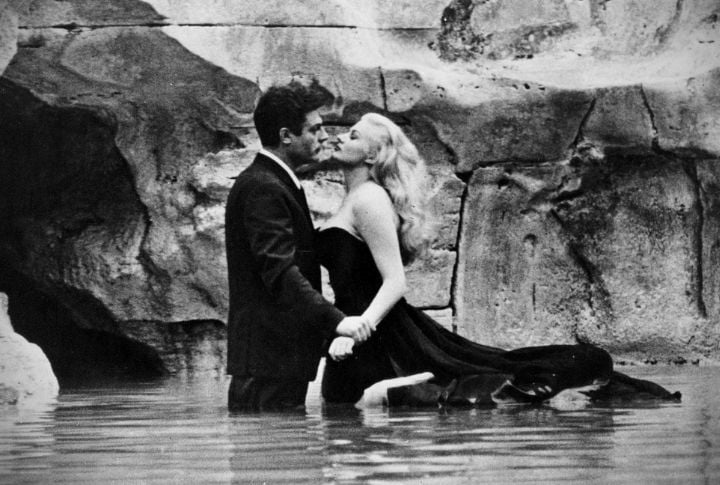
Ebert was enchanted by Federico Fellini’s La Dolce Vita, a film that captured the decadence and disillusionment of post-war Italy. He appreciated its episodic structure, which allowed for a rich tapestry of characters and situations. To Ebert, the film was a meditation on the search for meaning in a world of superficial pleasures.
2001: A Space Odyssey (1968)

This Stanley Kubrick masterpiece was a movie that Ebert revered for its ambition and ability to provoke deep philosophical questions. He saw it as a cinematic journey that transcended the boundaries of traditional storytelling, using stunning visuals and a minimalist narrative to explore the mysteries of existence. Ebert loved how the film’s open-endedness invited endless interpretations.
Taxi Driver (1976)

Taxi Driver resonated with Ebert for its gritty portrayal of urban alienation and its unflinching look at a man on the edge. He was captivated by De Niro’s iconic performance as Travis Bickle, a character whose descent into violence was both terrifying and tragic. Ebert appreciated how Scorsese’s direction brought the seedy underbelly of New York City to life, making the film an unforgettable experience.
Lawrence of Arabia (1962)
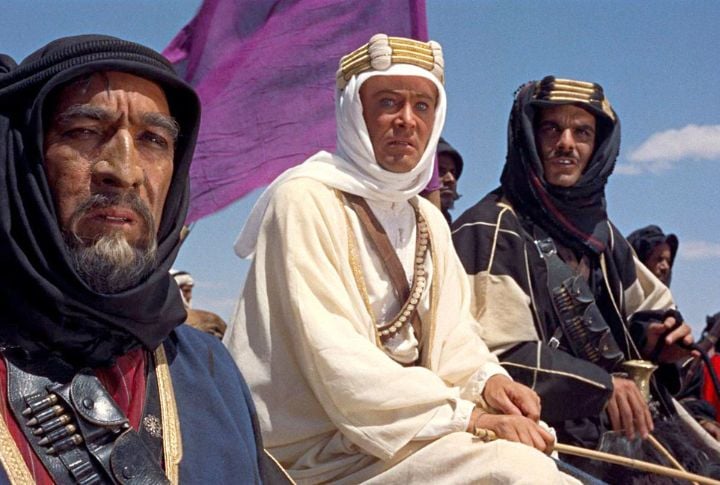
Ebert was spellbound by Lawrence of Arabia’s epic grandeur. He admired its breathtaking cinematography, complex portrayal of T.E. Lawrence, and exploration of the clash between cultures. For Ebert, the film was a masterpiece of storytelling that captured the vastness of the desert and the inner turmoil of its enigmatic hero.
Floating Weeds (1959)

Floating Weeds by Yasujirō Ozu captivated Roger Ebert for its delicate portrayal of human emotions and relationships. In this film, the story of an aging actor’s troupe returning to a small town reveals deep-seated emotional complexities. Ebert was particularly drawn to Ozu’s unique visual style, characterized by low camera angles and static shots, which created a meditative atmosphere.
Aguirre, the Wrath of God (1972)

Werner Herzog’s Aguirre, the Wrath of God, was a film that Ebert admired for its audacity and its exploration of madness and power. He was captivated by Klaus Kinski’s mesmerizing performance as the deranged conquistador Aguirre, whose quest for El Dorado leads to his downfall. Ebert saw the film as a haunting meditation on the destructive nature of human ambition.
Eternal Sunshine of the Spotless Mind (2004)

This film was incredibly innovative in its storytelling and exploration of memory and relationships. He was fascinated by how the film combined science fiction elements with a deeply emotional narrative about love and loss. The film’s non-linear structure and visual creativity, such as scenes where memories literally crumble away, captivated Ebert.
Pulp Fiction (1994)

Ebert found Pulp Fiction endlessly entertaining for its sharp dialogue, eclectic soundtrack, and non-linear narrative. He loved how Quentin Tarantino blended humor, violence, and pop culture references to create a stylish, subversive film. Ebert appreciated how Pulp Fiction revitalized the independent film scene and became a cultural phenomenon.
Schindler’s List (1993)

Steven Spielberg’s Schindler’s List deeply moved Ebert, not just as a powerful historical drama but as a profound exploration of humanity in the face of atrocity. Ebert admired Spielberg’s commitment to telling the story of Oskar Schindler and the Holocaust with both sensitivity and unflinching realism. The film’s stark black-and-white cinematography and its harrowing subject matter created a haunting atmosphere.